
Moon-phase timber
Felled at the right time and documented log by log.
Wood felled at the right time
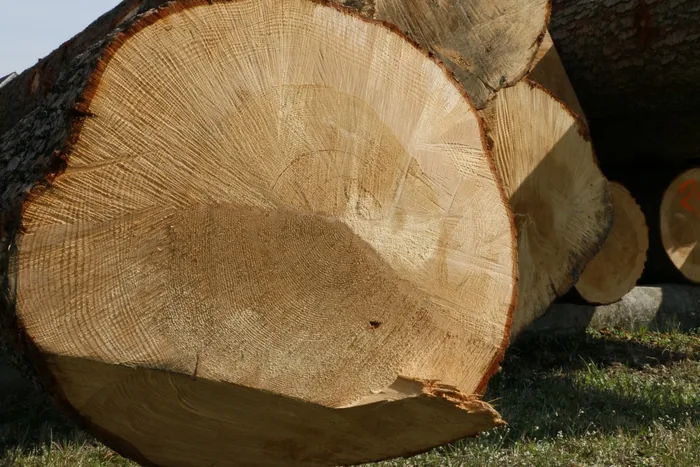
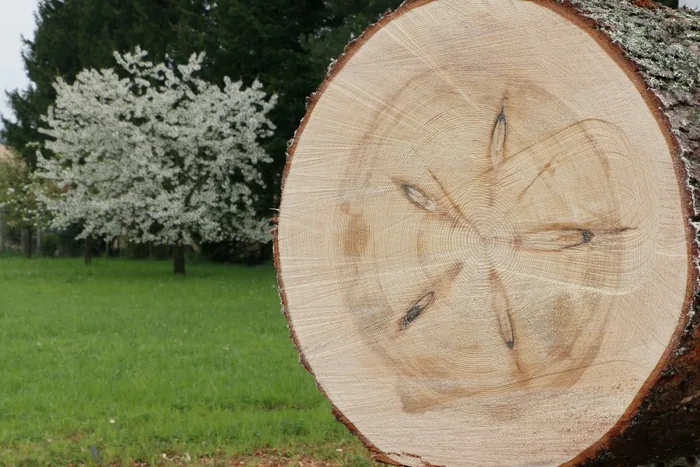
Moon-phase timber is wood felled at a particular time: when the sap is at rest and according to the phase of the moon. This is old forestry knowledge, and we keep to it.
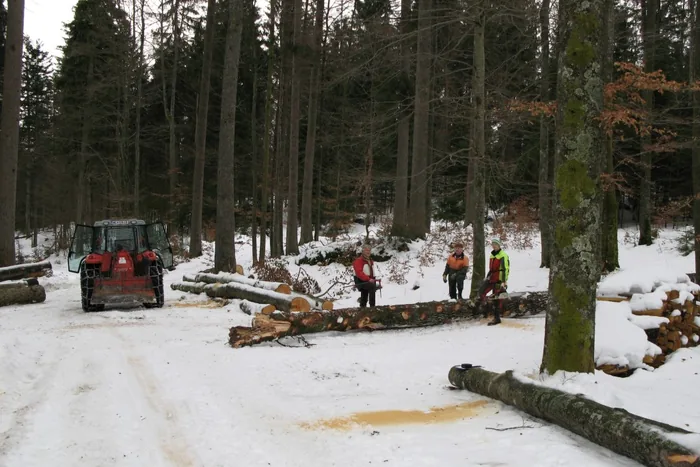
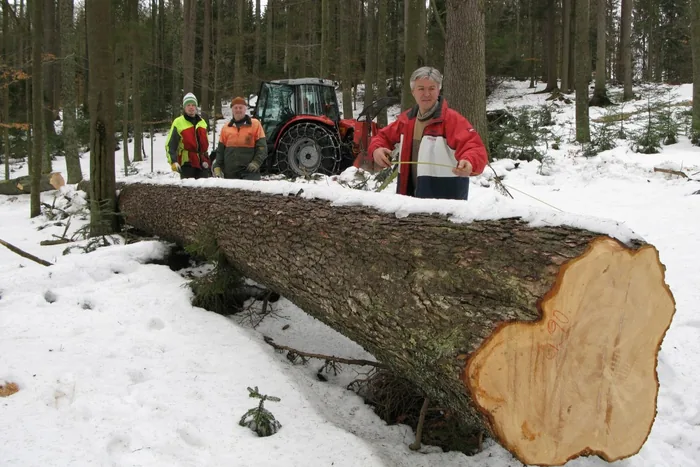
Before a tree is felled, we look at it and decide when it is best cut. An Austrian forestry operation then fells it for us, and sometimes we are there ourselves. The log comes to our sawmill whole.

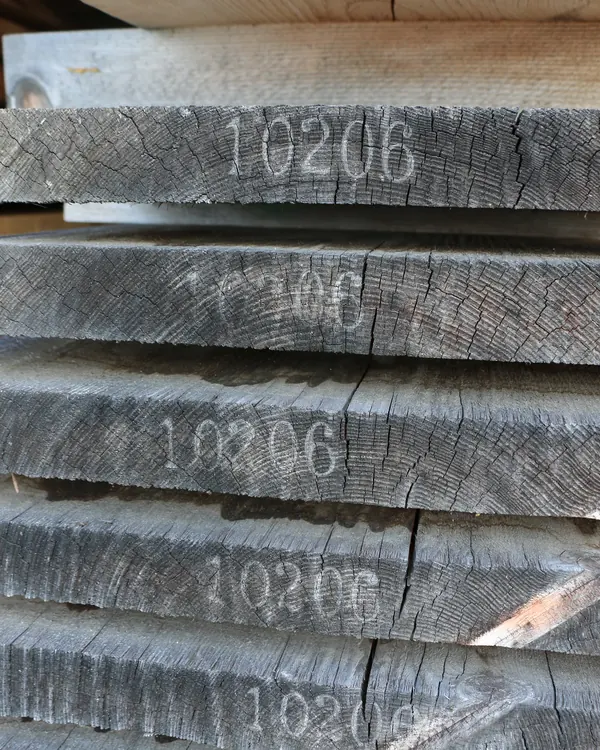
Every log is documented
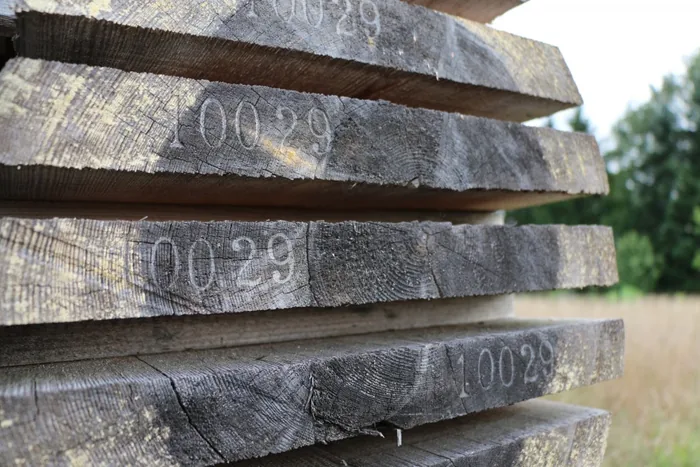
After sawing, every board has the number of its log struck into it. For each number we record when the tree was felled and what the wood is like.
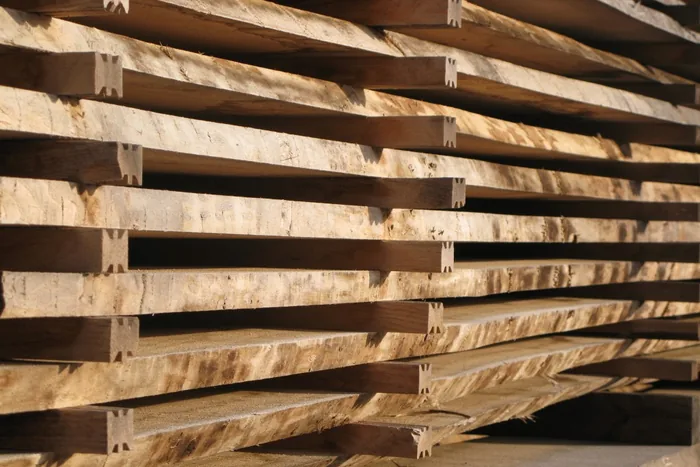
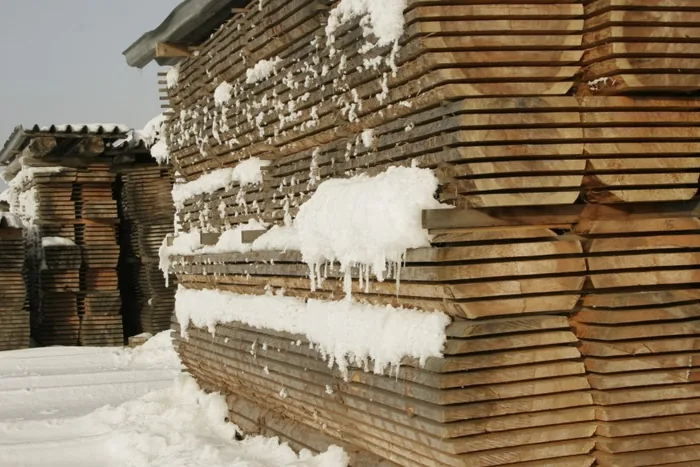
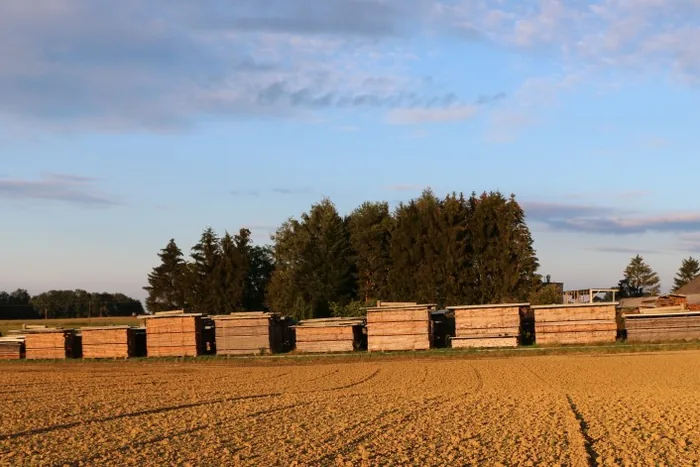
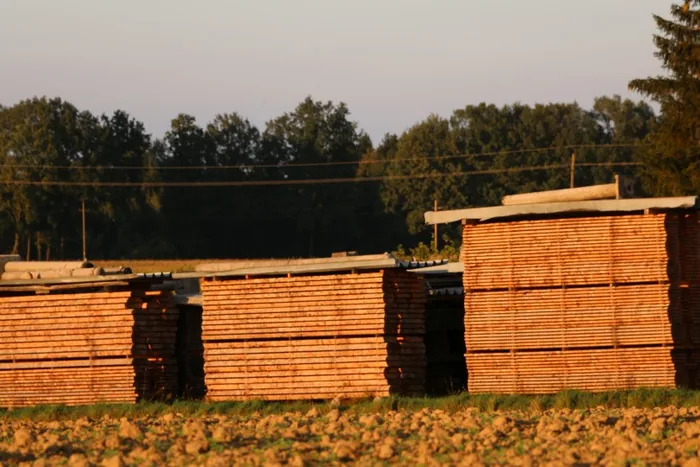
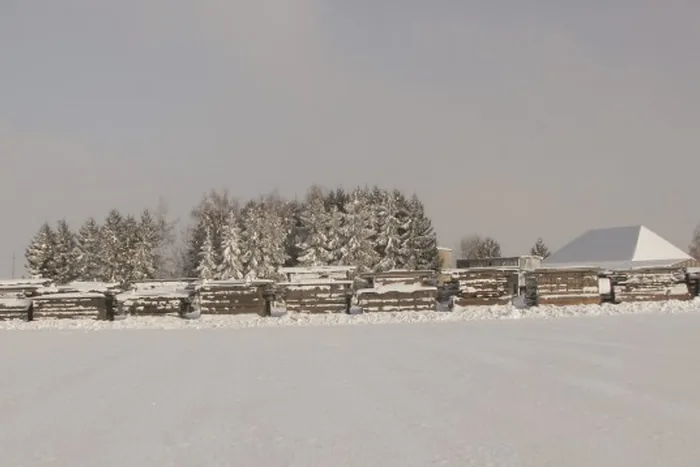
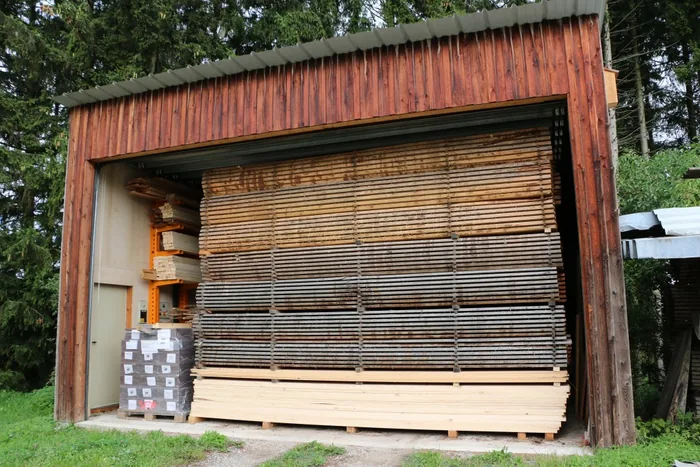
That way we still know after years in the yard what is in which stack, and can choose the wood for your order.
From the forest to our yard
A rule since Roman times
Felling timber by the moon is not a new idea. It is often said that Caesar had the wood for his ships cut this way. You can read it in the Roman writer Vegetius: for the ships of the fleet, the trees are to be felled between the 15th and the 22nd day of the moon, because only this wood stays safe from rot.
In Central Europe such felling times are written into old forestry regulations. Foresters, carpenters and violin makers have handed them down for centuries. We keep to them to this day.
And the research?
The Swiss wood scientist Ernst Zürcher measured it. Over one winter, spruce and sweet chestnut were felled on 48 days. The result: the wood dries differently depending on the phase of the moon on the day of felling. Research continues. The rule itself is far older than any measurement.
The study by Zürcher and colleagues (2010) · Vegetius, book 4, chapter 35 (Latin)
What it becomes
Everything we make from wood we saw ourselves is moon-phase timber: floors, tables, terraces, facades and lumber. Only the shingles are bought in.
Questions about moon-phase timber
- What is moon-phase timber?
- Moon-phase timber is wood from trees felled at a particular time: in winter, when the sap is at rest, and according to the phase of the moon. It is also called moon wood.
- When is moon-phase timber felled?
- By old rule in winter, when the sap is at rest, and mostly under a waning moon. We look at every tree beforehand and set the time for it. A forestry operation then fells it for us.
- What is different about moon-phase timber?
- Tradition says such wood dries more calmly, moves less and lasts longer. It has been done this way since Roman times. And with us, for every log we know where it comes from and when it was felled.
- Is the effect scientifically proven?
- A Swiss study from 2010 measured that wood dries differently depending on the phase of the moon on the day of felling. Research continues. The rule itself is far older than any measurement: the Romans already had their ship timber felled by the moon. We keep to the experience of generations and to our own.
- How do I know it really is moon-phase timber?
- You cannot tell by looking at the wood. That is why we strike the log number into every board and record for each number when the tree was felled. You are welcome to ask.
- Is moon-phase timber more expensive?
- With us, moon-phase timber is not a special request. Everything we saw ourselves is moon-phase timber. We give prices in conversation once we know what you have in mind.
- Where can I buy moon-phase timber?
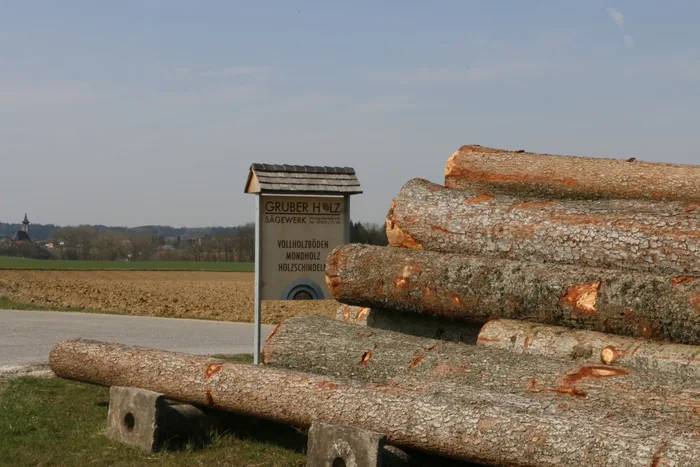
- Directly from our sawmill in Wolfern, Upper Austria, as lumber, as a floor, as a table or as a terrace. We deliver throughout Austria and across Europe on request.
- What is made from moon-phase timber?
- In our case floors and floorboards, tables and table tops, terraces, facades and lumber for joiners. Fine-grained spruce also goes to violin makers and instrument makers.
Sources: Zürcher u. a. 2010, Vegetius
Tell us what you have in mind.
Write us a few lines or call. We usually reply within 48 hours, in German or English. You are welcome to visit the sawmill and see the wood for yourself.